
The Art of Crushed: A Guide to Quality Crushed Tobacco
James Webb on 31st Jan 2026
There's a particular satisfaction that comes from rolling up, a ritual that transforms an ordinary smoke break into something more deliberate, more personal. But anyone who's gone down this path knows the truth: your experience is only as good as the tobacco you choose.
I learned this lesson the hard way during a particularly grim winter in college. Trying to stretch my budget, I grabbed the cheapest bag of crushed tobacco from a gas station shelf. The result? A harsh, bitter smoke that left my throat raw and my clothes smelling like I'd been standing downwind of a tire fire. That experience taught me an expensive lesson: not all crushed tobacco is created equal.
The Tell-Tale Signs of Quality
Walk into any tobacco shop, and you'll face rows of pouches, each promising satisfaction. But quality crushed tobacco reveals itself before you ever light up. The first checkpoint is moisture content—squeeze the pouch gently. Premium tobacco should feel supple, slightly springy, never bone-dry or sodden.
Open the pouch and take a moment before diving in. Quality tobacco greets you with a rich, natural, earthy aroma, sometimes slightly sweet, occasionally with notes of cocoa or dried fruit. If it smells chemically, overly perfumed, or like old newspapers, that's your first red flag waving frantically.
The Visual Inspection
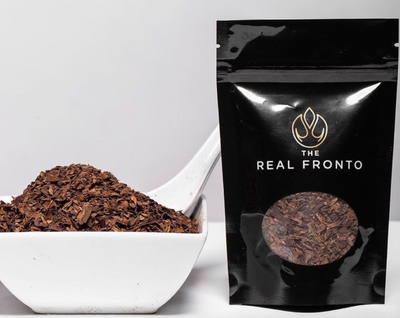
Now we get to the detective work. Dump a small amount onto a clean surface and really look at it. Good crushed tobacco maintains some structural integrity—you should see recognizable leaf fragments, not dust. The color should be relatively consistent, ranging from golden brown to rich mahogany depending on the variety.
Watch out for these warning signs:
Excessive dust and powder suggest over-processing or staleness. This fine particulate matter burns unevenly and often tastes harsh. When you roll a cigarette, all that dust just falls through your paper, wasting tobacco and creating an inconsistent burn.
Stems and thick veins in abundance mean lower quality. While a few small stems are normal, if you're seeing chunky vine-like pieces, the manufacturer hasn't done their job properly. These burn hot and bitter.
Discoloration or spotting could indicate mold or improper storage. Any tobacco showing white, gray, or green patches should be avoided entirely.
The Touch Test
Rub a pinch between your fingers. Quality tobacco should feel resilient. If it feels gummy or leaves significant residue on your fingers, there may be excessive additives or the tobacco is too wet, which causes burning problems.
The Burn Reveals All
Here's where theory meets practice. Quality crushed tobacco burns evenly and consistently, with an ash that holds together briefly before dropping off. The smoke should be smooth, not necessarily mild, but smooth without that acrid, throat-searing quality that makes you cough.
Poor quality tobacco reveals itself immediately. It might burn too hot and fast or refuse to stay lit, requiring constant relighting. The ash might be flaky and fall apart immediately, or worse, the cigarette might "canoe"—burning unevenly down one side.
The Flavor Factor
Beyond harshness or smoothness, pay attention to complexity. Premium tobacco offers layers of flavor; you might detect nuttiness, hints of sweetness, or subtle spice notes. Lower-quality tobacco tastes one-dimensional and often leaves a stale aftertaste that lingers unpleasantly.
Storage: The Hidden Variable
Even excellent tobacco can become terrible if stored poorly. Always reseal pouches completely after use, and consider transferring your tobacco to an airtight container if you won't finish it quickly. Tobacco should be stored in a cool, dark place; heat and light degrade quality rapidly.
Trust Your Instincts
Perhaps the most important skill you can develop is simply paying attention. Notice how different brands and cuts affect your rolling experience. Does the tobacco pack easily? Does it burn evenly? How does your throat feel the next morning?
Your body will tell you when you've found quality tobacco—you'll enjoy the ritual more, cough less, and find yourself looking forward to your next roll rather than viewing it as just another habit.
The difference between good and bad crushed tobacco isn't subtle once you know what to look for. It's the difference between a satisfying experience and a regrettable one, between a smooth ritual and a harsh reminder that cutting corners never pays off. Take the time to choose wisely, and your lungs and wallet, in the long run, will thank you.